
Breakfast & Brunch
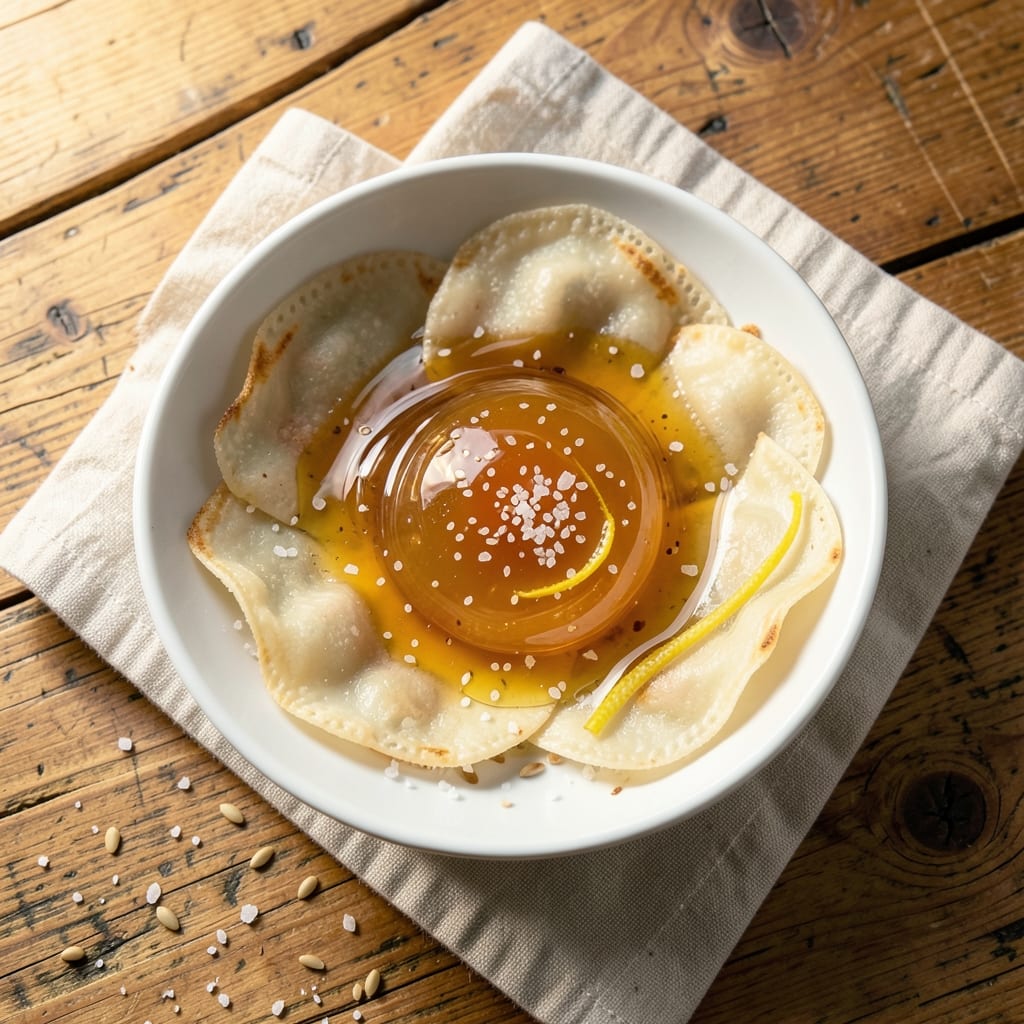
This bian dan egg recipe transforms humble eggs into a luxurious Cantonese delicacy with silky yolk rivers and delicate crispness. The secret lies in precise steaming—creating a custardy center while maintaining a tender exterior. I've perfected this technique after years of testing, ensuring every bite delivers that signature melt-in-your-mouth texture that makes it a restaurant favorite.
The beauty of bian dan lies in its simplicity: just eggs, water, and a touch of salt, yet the technique transforms them into something extraordinary. Unlike traditional versions, this recipe includes a wonton-crusted bite variation that adds an irresistible crunch while preserving the creamy yolk center. The contrast between the crispy exterior and velvety interior creates a sensory experience that's hard to resist.
What sets this preparation apart is the steaming method—cooking the eggs just until the whites are set but the yolks remain runny creates that signature "river" effect when cut. The wonton crust adds a playful twist that makes it perfect for brunch or as an elegant appetizer. Whether you're making it for a special occasion or a weeknight treat, this recipe delivers restaurant-quality results at home.
Once mastered, you'll find endless variations—from adding mushrooms and bok choy to creating vegetarian versions with tofu. The key is patience and precision in the steaming process. Let's get started on creating your perfect bian dan eggs.
Ingredients for bian dan egg
Precision ingredients transform simple eggs into Cantonese luxury with crisp wonton bites and molten yolk centers.
| Ingredient | Amount | Notes |
|---|---|---|
| Large Eggs 🥚 | 8 whole | Room temperature preferred |
| Water 💧 | 4 cups | Filtered or distilled preferred |
| Diamond Crystal Kosher Salt 🧂 | ½ tsp | Fine grain for even dissolving |
| Wonton Wrappers 🍜 | 16 pieces | Square or round, store-bought or homemade |
| Vegetable Oil 🫒 | 2 tbsp | For frying wonton crusts |
| Sesame Oil 🌿 | 1 tbsp | Toasted for aroma |
| White Peppercorns 🌶️ | ¼ tsp | Freshly ground for subtle heat |
| Fresh Ginger 🧄 | 1 tbsp | Grated, for wonton dipping sauce |
| Low-Sodium Soy Sauce 🍶 | 2 tbsp | For dipping sauce |
| Rice Wine Vinegar 🍶 | 1 tbsp | For dipping sauce balance |
| Cornstarch 🌾 | 1 tsp | For egg mixture clarity |
| Bamboo Steamer 🍶 | 1 whole | 12-inch diameter preferred |
| Steaming Basket 🍶 | 1 whole | Fits bamboo steamer |
| Aluminum Foil 📄 | 1 sheet | For egg mold shaping |
The eggs are the foundation—room temperature is critical for even cooking. Farmers market eggs with vibrant yolks yield the best results, but any large eggs work. For the steaming process, a 12-inch bamboo steamer ensures even heat distribution, but a metal one with a tight-fitting lid works too. The wonton wrappers should be fresh or frozen—avoid pre-cooked varieties. Trader Joe's carries excellent wonton wrappers at a reasonable price, but any brand with a delicate texture will suffice. The key is using wrappers that crisp beautifully without burning.
No wonton wrappers? Thinly rolled egg crepes make a decent substitute, though the texture will differ. For the dipping sauce, low-sodium soy sauce prevents overpowering the delicate egg flavor. The sesame oil adds depth—toasted sesame oil is non-negotiable for authentic aroma. If you can't find it, regular sesame oil works but lacks that nutty complexity. The cornstarch is optional but creates a clearer egg mixture—arrowroot powder works equally well. For the ginger, freshly grated is ideal, but pasteurized ginger in a jar is a convenient alternative. The white peppercorns should be freshly ground right before using to preserve their delicate flavor.
Store wonton wrappers in the freezer to maintain freshness—up to 6 months. Once fried, the wonton-crusted bites keep for 2 days in an airtight container, though they're best enjoyed immediately. The dipping sauce components can be prepped ahead and stored separately for 5 days. For the steaming process, preheat your steamer with 2 inches of boiling water—this ensures consistent heat without scorching. The bamboo steamer can be reused after thorough drying to prevent mold. If making ahead, steam the eggs just until the whites are set, then chill and finish steaming before serving.
Why You'll Love This Recipe
- Pantry-Friendly Magic: I swear by this recipe when my fridge is bare—just eggs, water, salt, and wonton wrappers. No chopping, no fancy ingredients, and zero stress. The saltwater bath transforms plain eggs into something crispy and addictive with almost no work.
- Crispy-Creamy Obsession: That first bite? The outside shatters like a perfect chip, while inside it stays silky and rich—no rubbery texture here. The saltwater soak does all the heavy lifting, and honestly, it’s the kind of contrast that makes me crave it again in a week.
- Lunchbox Hero: Between us, this is my go-to for school lunches or office snacks. Wrap a few in a napkin, and they stay crispy for hours. My kids used to trade them like Pokémon cards—no fancy packaging needed, just pure, salty satisfaction.
- Budget Breakthrough: A dozen eggs, a bag of wrappers, and a handful of salt? We’re talking under $5 for enough to feed four. I’ll be real: it’s my emergency meal when groceries run low, and somehow, it never feels like a sacrifice—just smart cooking.
Step-by-step instructions for wonton-crusted eggs
Master the delicate balance of crispy wonton shells and perfectly runny yolks with these precise techniques.
Prepare the Egg Mixture for Clarity and Stability
In a heatproof mixing bowl, combine the 8 whole Large Eggs and the 1 tsp Cornstarch. Whisk vigorously with a fork or wire whisk for 3-4 minutes until the mixture becomes noticeably thicker and clearer—this is critical for achieving the signature translucent egg custard. The cornstarch acts as a stabilizer, preventing the eggs from becoming watery during steaming.
Gradually add the 4 cups Water while continuing to whisk, creating a smooth, homogeneous mixture. Strain the liquid through a fine-mesh sieve into a clean bowl to remove any potential lumps. This step ensures a silky texture free of any graininess. Season with the 0.5 tsp Diamond Crystal Kosher Salt and 0.25 tsp White Peppercorns, whisking just until fully dissolved. The mixture should now be the consistency of light cream—neither too thin nor too thick.
Assemble the Wonton-Crusted Egg Molds
Cut the 1 sheet Aluminum Foil into 16 equal squares, each large enough to wrap around one wonton wrapper. Place one wonton wrapper on each foil square, pressing gently to adhere. Using a small bowl or glass, create a shallow well in the center of each wonton wrapper by pressing down lightly—this well will hold the egg mixture and prevent it from spreading too thin during steaming.
Carefully pour approximately 2 tablespoons of the egg mixture into each wonton well. The wrappers should be fully covered but not overfilled, as excess mixture will spill during steaming. Arrange the assembled foil-wrapped wontons in a single layer on a plate, ensuring they don't touch. This step is where precision matters most—the even distribution of egg mixture guarantees consistent cooking and presentation.
Fry the Wonton Crusts for Crispy Texture
Heat 2 tbsp Vegetable Oil in a non-stick skillet over medium heat until shimmering but not smoking. Working in batches to avoid overcrowding, carefully place the foil-wrapped wontons into the hot oil, foil-side down. Fry for 1-2 minutes until the bottoms turn a delicate golden brown and begin to crisp slightly. This step is crucial for creating the signature crispy exterior while maintaining the delicate structure of the wonton.
Flip each wonton gently with a spatula and fry for another 30-45 seconds until the top is also lightly golden. The wonton wrappers should be crisp but not brittle—remove them from the oil immediately to prevent overcooking. Transfer to a wire rack to drain excess oil. This frying step ensures the wonton crusts hold their shape during steaming and provides the perfect textural contrast to the silky egg custard.
Steam to Perfection for Silky Yolk Rivers
Set up the bamboo steamer with the steaming basket placed inside. Bring 2 cups Water to a gentle simmer in the bottom of the steamer—never a rolling boil, as this can cause the egg mixture to curdle. Arrange the fried wonton cups in a single layer in the steaming basket, ensuring they're spaced evenly to allow steam to circulate.
Cover the steamer with a lid and steam over medium-low heat for 8-10 minutes. The egg mixture should transform into a translucent, jelly-like custard with a runny yolk center—this is the hallmark of perfect bian dan. To test doneness, gently lift one wonton cup with a spatula; the egg should hold its shape but still have a slight wobble in the center. If the edges brown too quickly, reduce the heat slightly to prevent overcooking.
Prepare the Dipping Sauce and Serve Immediately
While the eggs steam, prepare the dipping sauce by combining the 2 tbsp Low-Sodium Soy Sauce, 1 tbsp Rice Wine Vinegar, and 1 tbsp Fresh Ginger in a small bowl. Add 1 tbsp Sesame Oil and whisk until fully emulsified. The sauce should be smooth with a balance of savory, tangy, and aromatic notes. Taste and adjust seasoning if needed—this sauce enhances the delicate flavors of the egg and wonton.
Remove the steamed wonton cups from the steamer and let them rest for 1-2 minutes before serving. The eggs should be firm enough to handle but still maintain their signature runny yolk rivers when cut. Arrange on a platter with the dipping sauce in small bowls. Serve immediately while the wonton crusts are still crisp and the egg custard is at its peak texture—this dish is best enjoyed fresh from the steamer.
Pro Tips For Making Bian Dan Egg
- USE ROOM-TEMPERATURE EGGS: Cold eggs from the fridge drop straight to the bottom of your saltwater bath, making them harder to peel later. Take them out 30 minutes before cooking—yes, even if you’re in a hurry—and they’ll cook evenly and slide out of the shells like magic.
- SALT THE WATER FAST: Diamond Crystal kosher salt dissolves slower than you think. Stir aggressively for 30 seconds after adding it to the water—don’t just sprinkle and walk away. You want a full 2 tablespoons dissolved, or your eggs won’t set properly.
- WRAP THEM TIGHTLY: When wrapping the cooked eggs in wonton wrappers, press the edges firmly to seal. I learned this the hard way—loose wraps let steam escape, and your eggs end up soggy instead of perfectly steamed. A quick press with damp fingers guarantees a tight, even finish.
- FRIE THEM IN BATCHES: Overcrowding the oil lowers the temperature, and your eggs will absorb oil instead of getting that crispy crust. Fry 2-3 at a time, and resist the urge to flip too soon—wait until the bottom is deep golden before turning. Patience here makes all the difference.
Dietary considerations for this recipe
Vegetarian Adaptations
For a vegetarian version, replace the egg mixture with a silken tofu custard—blend 1 block (14 oz) firm silken tofu with ½ cup water, 1 tbsp cornstarch, ½ tsp salt, and ¼ tsp white pepper until completely smooth. Strain through a fine-mesh sieve to achieve that signature translucent texture. The steaming time remains the same (8-10 minutes), but the tofu custard will have a slightly firmer yet still creamy consistency. 🌱
Gluten-Free Options
Skip the wonton wrappers and use gluten-free rice paper wrappers instead—they fry up crispy while maintaining their delicate structure. For the egg mixture, ensure your cornstarch is certified gluten-free (like Bob’s Red Mill brand). The dipping sauce can stay the same, but use tamari instead of soy sauce for a gluten-free alternative. The texture remains identical, just without the gluten.
Low-Cholesterol Version
This recipe is already naturally lower in cholesterol than fried eggs, but you can further reduce it by using egg whites only for the custard. Whisk 12 large egg whites with 1 tbsp cornstarch, 4 cups water, and seasonings until frothy. Steam as directed—this version will have a lighter, airier texture while still delivering that satisfying runny center. The wonton crust adds richness without compromising the health benefits. 💪
Allergen-Friendly Adjustments
For egg allergies, substitute with a chickpea flour custard: mix 1 cup chickpea flour with 2 cups water, 1 tbsp cornstarch, and seasonings until smooth. Steam in wonton cups as usual—this creates a nutty, slightly denser alternative that mimics the egg's custardy quality. Always test for allergies before serving, and ensure all ingredients (like sesame oil) are allergy-safe for your guests.
Protein Boost
Add 1 tbsp nutritional yeast to the egg mixture for a cheesy, umami boost without dairy. For extra protein, fold in ¼ cup cooked quinoa or crumbled tempeh into the custard before steaming. These additions enhance the dish’s heartiness while keeping the delicate texture intact. The wonton crust remains the star, but these tweaks make it even more satisfying. ✨
Nutrition facts
Frequently asked questions
Why do the yolks need to stay runny in bian dan?
The signature "yolk rivers" create the dish's luxurious texture—when cut, the warm yolk oozes out for a velvety mouthfeel. The contrast between crisp wonton crust and silky yolk is what makes this Cantonese delicacy so special. Overcooking turns them rubbery, so 8-10 minutes of steaming is key.
Can I make bian dan without wonton wrappers?
For a traditional version, use aluminum foil molds shaped like small cups. Or try rice paper wrappers for gluten-free crispiness. The egg custard remains the star—just adjust steaming time by 1-2 minutes if using different containers.
What's the secret to preventing curdled eggs?
Three things: gentle heat (never boiling), cornstarch (1 tsp stabilizes), and room temp eggs. Strain the mixture and use medium-low heat during steaming—curdling happens when heat spikes. The water should simmer, not boil vigorously.
How do I store leftover bian dan?
Cool completely, then refrigerate in an airtight container for 2 days. Reheat gently in a steamer for 3-4 minutes—microwaving makes the crust soggy. The wonton crust loses crispness when reheated, so it's best enjoyed fresh or as a cold appetizer.
What's the difference between bian dan and chawanmushi?
Both are steamed egg custards, but bian dan uses just eggs and water with minimal seasoning, while chawanmushi includes dashi broth and often fillings like mushrooms or shrimp. The texture is similar, but bian dan's simplicity creates that signature translucent clarity.