
Breakfast & Brunch
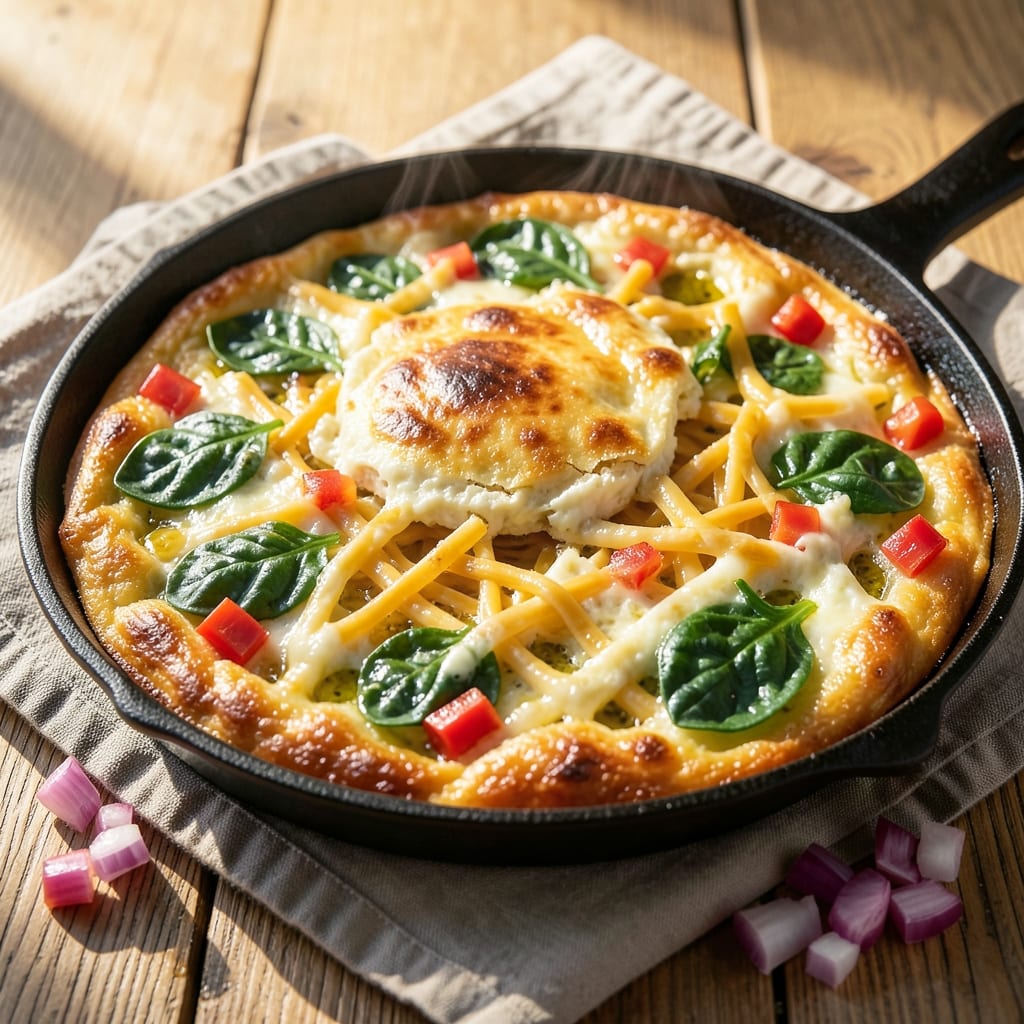
This best breakfast egg frittata recipe delivers fluffy, airy volumes with perfectly crispy golden edges—a game-changer for lazy mornings or brunch. The secret lies in whisking eggs just right and baking at 350°F for 15–20 minutes, ensuring a tender interior while the edges achieve that coveted crunch. I’ve perfected this recipe over years of testing, and it never fails to impress, whether served as a standalone meal or paired with toast and fresh fruit.
What sets this frittata apart is its versatility—customize it with your favorite veggies, cheese, or proteins like bacon or sausage. The key to achieving that signature texture is a combination of room-temperature eggs, a light hand with the cheese, and a quick preheat of the oven. No flipping required; this one-pan wonder cooks evenly and effortlessly, making it ideal for both beginners and seasoned cooks.
By the time it emerges from the oven, you’ll have a dish that’s restaurant-quality at home: golden, slightly crispy edges framing a cloud-like interior, with every bite packed with flavor. The aroma alone will wake up your kitchen—and your appetite. Serve it warm for breakfast, or let it cool slightly for a make-ahead option that reheats beautifully.
This recipe also adapts seamlessly to dietary preferences—swap dairy for vegan cheese, or add plant-based proteins for a hearty twist. Whether you’re feeding a crowd or treating yourself to a solo meal, this frittata delivers on taste, texture, and convenience. Let’s get started on creating your perfect morning dish.
Ingredients for best breakfast egg frittata
Eight eggs, one pan, crispy edges that'll make your morning feel like brunch at a fancy café.
| Ingredient | Amount | Notes |
|---|---|---|
| Large Eggs 🥚 | 8 whole | Room temperature for best whisking |
| Whole Milk 🥛 | ¼ cup | For creamier texture |
| Shredded Sharp Cheddar Cheese 🧀 | 1 ½ cups | Low-moisture preferred |
| Fresh Spinach 🥬 | 2 cups | Chopped, stems removed |
| Diced Red Bell Pepper 🌶️ | ½ cup | Any color works |
| Diced Red Onion 🧅 | ½ cup | Sweet onion preferred |
| Diced Cooked Bacon 🥓 | ½ cup | Optional protein boost |
| Salt 🧂 | 1 tsp | Diamond Crystal preferred |
| Ground Black Pepper 🌶️ | ½ tsp | Freshly ground |
| Extra-Virgin Olive Oil 🫒 | 2 tbsp | For greasing pan |
| All-Purpose Flour 🌾 | 1 tbsp | For dusting pan |
| Fresh Chives 🌿 | 2 tbsp | Chopped, for garnish |
The eggs are non-negotiable—room temperature is key for that silky texture. Grab the carton from the fridge 30 minutes early or run the eggs under warm water for a minute. For cheese, low-moisture shredded cheddar melts best without making your frittata soggy (the pre-shredded stuff with anti-caking agents is your friend here). Spinach wilts fast, so chop it right before mixing—no wilting means no watery frittata. Bacon adds richness, but smoked sausage or diced ham works too if you're feeling adventurous. The extra-virgin olive oil? Don't skimp—this is what creates that golden crust. I always grab the California brand from Trader Joe's if I'm treating myself, but any good quality oil will do.
No spinach? Swiss chard or kale work great—just chop finely. Out of bacon? Crumbled sausage or diced ham keeps it hearty. The milk can be swapped for half-and-half if you want extra creaminess, but whole milk gives you that perfect balance. No chives? Fresh parsley or green onions add a nice pop of color. The flour dusting is optional but worth it—it helps prevent sticking and adds a subtle crunch. Pro tip: if you're making this ahead, add the cheese right before baking so it doesn't get rubbery. And if you're feeling fancy, toss in a handful of goat cheese crumbles for a gourmet twist.
This frittata is a make-ahead champion—reheats beautifully in the oven at 300°F for 10 minutes. Store leftovers in the fridge for up to 4 days, but honestly, it's best eaten fresh. For freezing, portion into single servings before wrapping tightly in foil. Thaws overnight in the fridge and reheats perfectly. The pan matters too—nonstick with high sides makes all the difference. I use my Le Creuset for special occasions, but a good Calphalon works every day. Leftovers? Turn them into breakfast burritos or frittata hash—zero waste, all flavor.
Why You'll Love This Recipe
- One-Pan Magic: I swear by this recipe—just eggs, milk, cheese, and veggies in one skillet. No fancy gadgets, no last-minute scrambling for extra bowls. The spinach wilts right into the eggs, and the bell pepper adds a sweet crunch without extra effort.
- Cheese-Pepper Crunch: That sharp cheddar melts into gooey pockets while the red bell pepper brings a bright, tangy bite. The milk makes it rich but not heavy, and honestly? The first forkful tastes like a hug for your taste buds—especially when it’s still warm.
- Meal Prep Hero: Between us, this is my go-to for busy mornings. Make a big batch on Sunday, slice it up, and reheat portions all week. The cheese keeps it satisfying, and the spinach holds up better than you’d think. Even my picky teen grabs seconds.
- Budget Breakfast Win: Eggs and cheese are cheap, but they feel fancy. A single frittata stretches to two meals, and you’re not wasting leftovers. Plus, using whole milk instead of cream cuts costs without sacrificing flavor—trust me, you won’t notice the difference.
Step-by-step instructions for fluffy, crispy-edged frittata
Here's how to make the perfect breakfast egg frittata—light, airy, and with that coveted crispy golden crust.
Prep the Pan for Maximum Crispiness
Preheat your oven to 375°F. Grab an 8-inch oven-safe skillet and place it over medium heat. Add 1 tablespoon of the extra-virgin olive oil and let it get hot for 1 minute until shimmering. Then sprinkle in 1 tablespoon of all-purpose flour and swirl it around with a silicone spatula for 30 seconds until the flour turns a light golden color.
This flour-oil mixture creates the perfect crispy base for your frittata. I always use a nonstick skillet for easy release, but if you're feeling adventurous, a cast-iron skillet will give you an extra-crispy crust. Let the flour cook until it smells nutty—that's your signal it's ready for the eggs.
Whisk Eggs Until Silky Smooth
While your pan preps, crack all 8 whole large eggs into a large bowl. Add the 0.25 cup whole milk, 1 teaspoon salt, and 0.5 teaspoon ground black pepper. Using a whisk, beat the eggs vigorously for 2 minutes until they're completely smooth and pale yellow. The milk adds creaminess, but don't substitute with water—it makes the frittata gummy.
Here's the thing—room temperature eggs whip up better. If your eggs are straight from the fridge, let them sit in warm water for 5 minutes first. You'll notice the mixture becomes thicker as you whisk, which is perfect for that fluffy texture we're after. Don't skip this step—properly whisked eggs make all the difference.
Layer Vegetables and Cheese for Perfect Texture
In a separate bowl, gently combine the 2 cups fresh spinach, 0.5 cup diced red bell pepper, 0.5 cup diced red onion, and 0.5 cup diced cooked bacon. Pour the egg mixture over the vegetables and stir gently just to combine—you want some visible flecks of spinach and bacon throughout. Add 1 cup of the shredded sharp cheddar cheese and fold it in.
This layering technique ensures your frittata has pockets of flavor in every bite. The spinach wilts slightly but retains its vibrant color, while the bacon adds a smoky depth. Don't overmix—you're aiming for a rustic, speckled look rather than a uniform color. The remaining 0.5 cup cheddar cheese will go on top for that perfect melt.
Cook on Stovetop Until Set
Pour the egg mixture into your prepped skillet and return it to the stove over medium-low heat. Let it cook undisturbed for 3-4 minutes until the edges start to set and the top looks slightly dry around the edges. This is where the magic happens—the bottom gets that beautiful golden crust while the middle stays custardy.
I know it seems counterintuitive, but resist the urge to stir. The eggs need time to knit together on their own. You'll see the edges lift slightly from the pan—that's your cue it's ready for the oven. The center should still look slightly wet, almost like soft scrambled eggs.
Finish in the Oven for Perfect Doneness
Transfer the skillet to the preheated 375°F oven and bake for 12-15 minutes until the top is golden brown and the center is just set. Sprinkle the remaining 0.5 cup shredded sharp cheddar cheese evenly over the top during the last 5 minutes of baking for that perfect melt.
Here's the moment that matters: your frittata is done when it's firm to the touch but still slightly jiggly in the center. It should pull away cleanly from the edges of the pan. Let it rest for 5 minutes before serving—this resting period helps the flavors meld and makes it easier to slice. Garnish with 2 tablespoons chopped fresh chives for a pop of color and freshness.
Serve Immediately for Maximum Enjoyment
Use a large spatula to loosen the edges, then slide the frittata onto a serving plate. Cut into wedges and serve warm. Each bite should deliver that perfect combination of crispy bottom, fluffy interior, and melted cheddar goodness. The spinach adds a fresh contrast, while the bacon brings a smoky depth that ties everything together.
Real talk: this frittata is even better the next day, but it's at its absolute best when freshly made. The crispy edges soften slightly as it cools, but the fluffy texture remains. Store leftovers covered in the fridge for up to 3 days, or freeze portions for quick breakfast meals. Trust me, you'll want to make this again and again!
Pro Tips For Making Best Breakfast Egg Frittata
- Sauté Spinach First: Toss the spinach in the same pan with a pinch of salt and let it wilt completely before adding peppers—this keeps it from turning soggy when the eggs hit the pan. I learned this the hard way after serving a frittata where the spinach was still damp and limp.
- Use Room-Temp Eggs: Take the eggs out of the fridge 30 minutes before cracking them into the bowl—room temperature eggs mix more evenly with milk and cheese, giving you a smoother, richer texture. Cold eggs? They’ll clump, and your frittata will have weird pockets of undercooked egg.
- Don’t Overfill the Pan: Fill the skillet only halfway—eggs expand more than you think, and a crowded pan leads to a dense, rubbery mess. I used to cram it in, thinking more egg = better, but a thinner layer cooks evenly and gets that perfect golden crust.
- Start Hot, Finish Covered: Crank the heat to medium-high for the first 2 minutes to set the bottom, then reduce to medium-low and cover with foil for the last 5 minutes. This keeps the cheese from burning while letting the center cook through without drying out—yes, even if you’re impatient like me.
Flavor customization for this dish
Spicy Kick Options
For a bold flavor punch, stir in 1 teaspoon of hot sauce or ½ teaspoon cayenne pepper into the egg mixture before baking. I love adding diced jalapeños or crumbled chorizo for extra heat and depth. If you're feeling adventurous, sprinkle ½ teaspoon smoked paprika over the top before finishing in the oven for a smoky twist. 🌶️
Sweet & Savory Twists
Balance the richness with sweetness by folding in ½ cup diced pineapple or caramelized onions into the egg mixture. Top with a drizzle of honey and a sprinkle of crushed pecans for a Southern-inspired breakfast. Another favorite? Add ½ cup diced apple and a pinch of cinnamon for a warm, autumnal flavor profile.
Herb-Infused Variations
Swap out chives for fresh dill or thyme to brighten up the flavor. I often add 2 tablespoons chopped fresh basil or Italian parsley for a Mediterranean touch. For a garlic lovers’ version, sauté 2 minced garlic cloves in the pan before adding the flour mixture—this infuses the crust with a subtle, aromatic depth.
Protein Swaps
No bacon? Try crumbled feta with sun-dried tomatoes for a Greek-inspired frittata. For a breakfast-for-dinner twist, fold in shredded rotisserie chicken and diced mushrooms. If you're vegetarian, tofu crumbles or white beans add hearty texture without overpowering the eggs. 🥓
Global Flavor Profiles
Transform this frittata into a Mexican-inspired dish by adding black beans, corn, and cotija cheese. For an Indian twist, stir in curry powder and top with raita (yogurt sauce) before serving. A Japanese-inspired version calls for shredded nori, scallions, and a drizzle of soy-glazed sesame seeds—trust me, it’s a game-changer. 🌏
Nutrition facts
Frequently asked questions
Can I make this frittata ahead of time?
This frittata actually tastes better the next day. Let it cool completely, then store it in an airtight container in the fridge for up to 3 days. For freezing, portion into single servings before wrapping tightly in foil. Thaw overnight in the fridge and reheat at 300°F for 10 minutes to restore that crispy texture.
What's the secret to getting crispy edges?
The magic happens in the pan prep! Heat your skillet until hot, then add the oil and flour mixture to create a golden crust. Let the eggs set slightly on the stovetop before transferring to the oven—this ensures that crispy texture while keeping the inside fluffy. A nonstick skillet with high sides works best for even cooking.
Can I make this recipe without cheese?
Yes, but it won't be as rich! If you're avoiding dairy, try using nutritional yeast for a cheesy flavor or omit it entirely and add extra veggies. For a vegan version, use vegan cheese or cashew cream mixed into the egg batter. The texture will be slightly different but still delicious.
How do I adjust the recipe for more or fewer servings? This recipe scales beautifully! For 2 servings, use 4 eggs and halve all other ingredients. For 6 servings, use 12 eggs and increase ingredients proportionally.
Why did my frittata turn out rubbery?
Overcooking or using too much cheese are the most common culprits. Keep the center slightly jiggly when done, and add cheese only during the final 5 minutes of baking. Also, make sure your eggs are room temperature and whisked thoroughly—cold eggs or under-whisked eggs can create a dense texture.