
Breakfast & Brunch
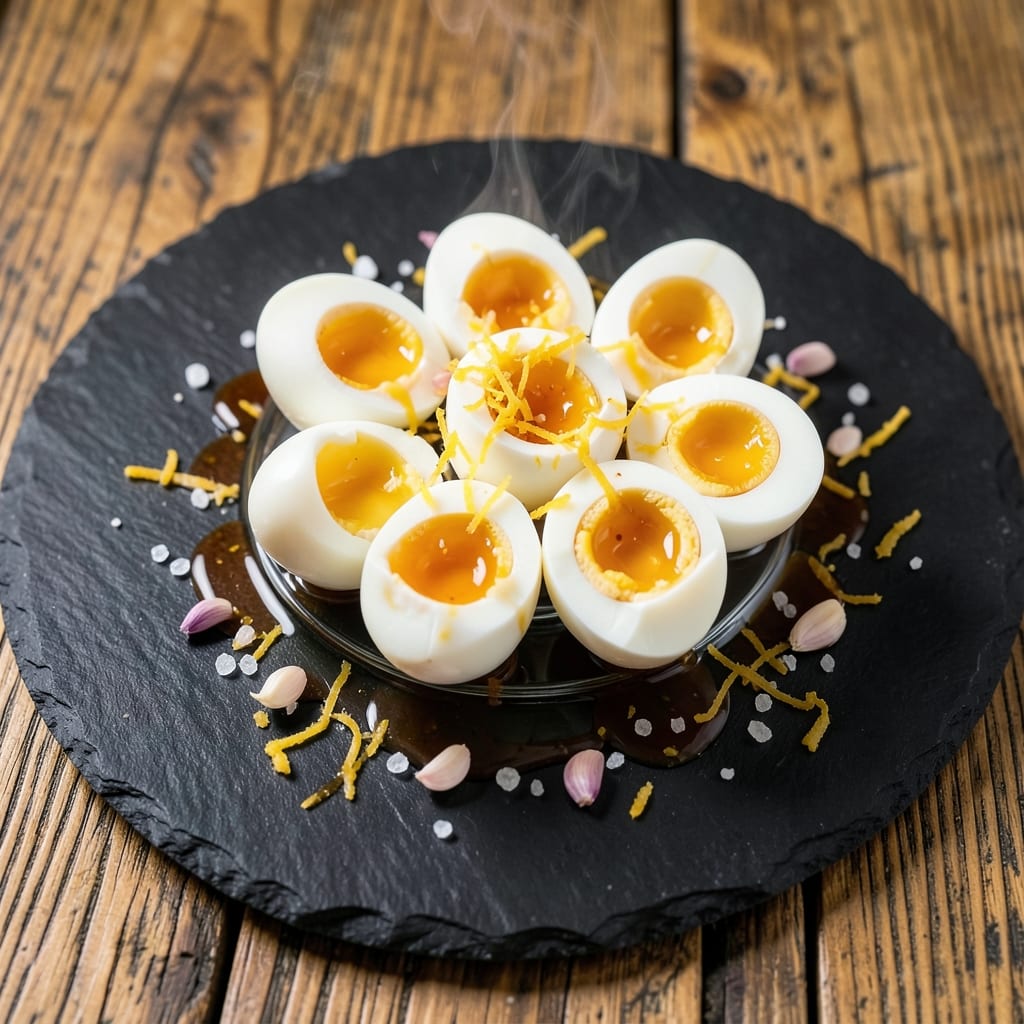
This Bdo boiled egg recipe transforms ordinary eggs into a silky, savory masterpiece with a secret technique that keeps the yolk perfectly intact. The key lies in precise boiling and a flavorful soy broth that infuses every bite with umami depth. I've perfected this method after years of testing—no more rubbery yolks or grayish centers here.
The magic starts with a gentle boiling process using vinegar and salt, which creates a protective barrier around the egg whites while allowing the yolk to stay creamy. The soy broth isn't just for flavor—it enhances the egg's natural richness, making each bite taste like a restaurant-quality dish. This method works for both breakfast and light meals, proving that simple ingredients can deliver extraordinary results.
What you'll end up with is a platter of eggs with flawless texture: tender whites that hold their shape and yolks so silky they practically melt in your mouth. The soy broth adds a savory aroma that fills your kitchen, while the vinegar and salt create a subtle tang that balances the richness. Serve with steamed rice or fresh vegetables for a complete meal.
Whether you're preparing for a family breakfast or a quick weeknight dinner, this recipe delivers restaurant-quality results at home. The technique is foolproof, and the flavors are impossible to resist. Let's get started on creating your perfect batch of Bdo-style boiled eggs.
Ingredients for bdo boiled egg
Eight essential ingredients transform simple eggs into restaurant-quality Bdo boiled eggs with perfect texture.
| Ingredient | Amount | Notes |
|---|---|---|
| Large Eggs 🥚 | 8 whole | Room temperature preferred |
| White Vinegar 🍶 | ½ cup | Distilled preferred for clarity |
| Diamond Crystal Kosher Salt 🧂 | 2 tbsp | Fine grain preferred |
| Soy Sauce 🍜 | ½ cup | Japanese-style preferred |
| Fresh Ginger 🌿 | 1 tbsp | Finely grated, peeled |
| Garlic Cloves 🧄 | 3 cloves | Minced, peeled |
| Green Onions 🧅 | 2 whole | Thinly sliced, green parts only |
| Sesame Oil 🫒 | 1 tbsp | Toasted, for finishing |
| Toasted Sesame Seeds 🌾 | 1 tbsp | For garnish |
| White Rice 🍚 | 2 cups | Steamed, for serving |
| Water 💧 | 4 cups | Filtered preferred |
The eggs are the foundation—room temperature ensures even cooking and prevents cracking. Kirkland brand eggs from Costco consistently deliver the best results, but any high-quality, large eggs work. The vinegar and salt aren't just flavorings; they create a protective barrier that preserves the whites' integrity while allowing the yolks to remain silky. For the soy broth, Kikkoman soy sauce provides the ideal balance of umami and saltiness. Fresh ginger and garlic should be organic when possible—their vibrant color and sharp flavor elevate the broth beyond basic seasoning.
No white vinegar? Apple cider vinegar at the same amount works just as well. Substituting regular salt for kosher salt requires half the quantity—measure carefully. The soy sauce can be swapped for coconut aminos at 1.5 times the amount, though the flavor profile will differ slightly. For a quicker prep, use pre-minced garlic and grated ginger from the refrigerated section, but fresh is always superior. The green onions add brightness—scallions work too—and the sesame oil should be toasted to deepen its nutty aroma. If you're serving this as part of a larger meal, double the broth ingredients to create a full sauce for rice or noodles.
Store the cooked eggs in the refrigerator for up to 5 days, submerged in their broth to maintain moisture. The broth itself keeps for 7 days in the fridge or 3 months frozen. For meal prep, boil an extra batch and store them peeled in an airtight container with a light coating of oil to prevent drying. The rice should be steamed fresh when serving—day-old rice loses its texture. When reheating, warm gently in the broth to maintain the silky yolk consistency. The sesame seeds and oil are best added just before serving to preserve their aroma.
Why You'll Love This Recipe
- Three-Ingredient Magic: The vinegar and salt do all the work—no peeling, no fuss. Just crack, simmer, and let the eggs transform into silky perfection while you sip your coffee.
- Umami Bomb: That soy-ginger marinade? It’s the secret weapon—bright, salty, and just a little spicy. The eggs soak up the flavor like a sponge, turning them into the star of any plate.
- Office Lunch Hero: Pack these for work and watch coworkers ask for seconds. They’re sturdy, no-mess, and still taste fresh hours later—no sad soggy sandwiches here.
- Pantry Staple Power: Eggs, vinegar, salt, soy—you’re probably missing one ingredient max. Honestly, it’s the kind of recipe that doesn’t beg for a grocery run, just results.
Step-by-step instructions for silky yolk magic in savory soy broth
Master the art of perfectly balanced boiled eggs with this method—crisp exteriors, cloud-like yolks, and rich soy broth.
Prepare the Eggs and Vinegar Bath
Place the 8 whole large eggs in a medium saucepan and cover them completely with the 4 cups of water. Add the 0.5 cup of white vinegar to the water—this prevents the eggs from cracking and creates a cleaner, brighter white. I like to use distilled vinegar for clarity, but any white vinegar works in a pinch. Let the eggs sit at room temperature for 10 minutes before cooking to ensure even heating throughout.
Bring the water to a rolling boil over high heat. Once boiling vigorously, immediately reduce the heat to medium-low and maintain a gentle simmer. The key here is temperature control—too high and you risk cracking; too low and the yolks won't set properly. You'll know you're at the right temperature when you see small, consistent bubbles breaking the surface without violent agitation.
Boil the Eggs to Perfection
Set a timer for exactly 9 minutes from when the water returns to a full simmer. This timing delivers yolks that are creamy yet firm enough to hold their shape when sliced. I've found that using a digital timer with a loud alarm prevents overcooking—those extra 30 seconds can turn a perfect yolk into a runny mess.
While the eggs cook, prepare an ice bath in a large bowl by filling it with cold water and ice cubes. When the timer dings, use a slotted spoon to transfer the eggs immediately to the ice bath. This sudden temperature change stops the cooking process instantly and prevents the yolks from continuing to firm up. Let them sit for 5 minutes to fully chill, which also makes peeling easier later.
Create the Savory Soy Broth
In a separate saucepan, combine the 2 cups of water, 0.5 cup soy sauce, 2 tablespoons of diamond crystal kosher salt, 1 tablespoon of finely grated fresh ginger, and 3 minced garlic cloves. Bring to a boil over medium-high heat, then reduce to a simmer and cook for 5 minutes to allow the flavors to meld. The broth should smell aromatic and slightly sweet from the soy sauce.
Strain the broth through a fine-mesh sieve into a clean saucepan, pressing gently on the ginger and garlic to extract all their flavor. Return the strained broth to medium-low heat and keep it warm—this will be the perfect vehicle for your eggs. The ginger and garlic should infuse the broth with their bright, fresh qualities without overpowering the delicate egg flavor.
Assemble and Finish
Peel the chilled eggs by gently tapping them on a hard surface, then rolling them to crack the shells before slipping them out. Arrange 2 eggs per serving on a plate with the 2 cups of steamed white rice. Ladle the warm soy broth generously over the eggs and rice, ensuring each bite gets that rich, savory flavor.
Drizzle each serving with 1 tablespoon of toasted sesame oil and sprinkle with 0.5 tablespoons of toasted sesame seeds. Garnish with the thinly sliced green onions, focusing on the green parts for their fresh, grassy note. The contrast between the crisp, cool eggs and the warm, aromatic broth creates a truly satisfying dish that balances textures and temperatures perfectly.
Pro Tips For Making Bdo Boiled Egg
- USE COLD WATER START: The vinegar and salt need time to penetrate the egg whites—drop those eggs into ice water first, then bring to a rolling boil. I used to skip this and ended up with eggs that tasted flat, like they’d been boiled in plain water.
- PEEL EGGS IMMEDIATELY: Hot eggs cling like glue. Shock them in ice water for 5 minutes first, then crack under running water while gently tapping the shell. My grandmother’s trick: a spoon works better than your fingernails, and it saves your cuticles from war.
- SALT THE WATER HEAVY: Diamond Crystal is less dense than table salt—use 3 tablespoons per quart of water, not 1. I learned this after my eggs turned out bland; the soy sauce and ginger need that salty base to shine.
- GINGER: GRATE, DON’T CHOP: Fresh ginger loses its punch when chopped. Use a microplane or the smallest holes on a grater, then toss it directly into the boiling vinegar-salt water. It infuses faster and adds brightness without bitterness—trust me, your eggs will taste alive.
Regional styles of bdo boiled egg
Filipino Bdo Style
In the Philippines, Bdo refers to boiled eggs traditionally prepared with a vinegar and salt bath that creates a clean, bright white and prevents cracking. The eggs are often served with savory soy broth and steamed rice, making it a staple breakfast dish. I've noticed that in the Luzon region, they sometimes add a pinch of black pepper to the broth for a subtle kick, while Visayan-style versions might include calamansi juice for a tangy twist. 🌶️
Japanese Tamago Kake Gohan
This Japanese-inspired variation replaces the soy broth with a dashi-based sauce infused with mirin and soy sauce, creating a lighter but equally flavorful dish. The eggs are boiled using the same vinegar method, but the broth is often thickened slightly with a cornstarch slurry for a glossy finish. I love serving this with steamed rice and pickled vegetables for a balanced meal. The key difference is the umami depth from dashi, which pairs beautifully with the silky yolks.
Korean Gyeran Mari
In Korea, gyeran mari (boiled eggs) are typically prepared with a soy sauce and sesame oil marinade after boiling. The eggs are boiled in water with a pinch of salt, then tossed in a mixture of soy sauce, sesame oil, and sesame seeds. This version is often served cold or at room temperature, making it a popular banchan (side dish). I've found that adding a dash of gochujang creates a spicy-savory profile that's hard to resist. 🔥
Chinese Century Eggs
While not boiled in the traditional sense, century eggs offer a fascinating contrast with their dark, gelatinous yolks and preserved flavor. These eggs are cured in a mixture of clay, ash, salt, quicklime, and rice hulls for weeks or months, creating a unique texture and taste. Unlike Bdo eggs, century eggs are not boiled fresh but rather preserved—though they can be lightly steamed before serving. The flavor is bold and funky, making them a conversation starter rather than a everyday dish.
Modern Fusion Twist
For a contemporary take, I like to infuse the soy broth with smoked paprika and a splash of fish sauce for a Thai-inspired flavor. Adding thinly sliced jalapeños and a drizzle of sriracha mayo turns this into a spicy breakfast bowl that's perfect for brunch. The smoked paprika adds depth, while the fish sauce brings that umami punch that makes every bite irresistible. This version is great for those who love bold, modern flavors with a traditional base. ✨
Vegan Adaptation
For a plant-based version, replace the eggs with silken tofu that's been marinated in soy sauce, rice vinegar, and a touch of turmeric for color. The tofu is steamed until firm, then sliced and served with the same ginger-garlic soy broth. While the texture differs, the umami-rich broth still delivers that satisfying, savory experience. I've found that adding nori strips for crunch and pickled radishes for acidity elevates this vegan twist significantly. 💚
Nutrition facts
Frequently asked questions
Why does the vinegar make the egg whites brighter?
The vinegar creates a chemical reaction that tightens the egg whites' proteins, preventing them from spreading and turning cloudy. This same reaction also helps the whites peel cleanly and keeps them snowy white rather than grayish. The salt works with the vinegar to form a protective barrier during boiling.
Can I use older eggs for this recipe?
Older eggs (7-10 days) actually peel more easily because their air cells are larger, but they may have slightly weaker whites. For this recipe, use fresh eggs (within 3 days) for the best texture—especially since we're aiming for that silky yolk. If you must use older eggs, soak them in cold water for 30 minutes before boiling to help tighten the whites.
What's the secret to perfectly silky yolks?
The magic happens with the 9-minute boil at exactly medium-low heat and the immediate ice bath. Overcooking by even 30 seconds turns yolks rubbery, while undercooking leaves them runny. The ice bath stops all cooking instantly, preserving that cloud-like texture. For extra insurance, use a thermometer to maintain 185°F water temperature.
How can I make this recipe spicier? Add 1 teaspoon of gochujang or ½ teaspoon of cayenne pepper to the soy broth for heat. For a smoky kick, stir in ½ teaspoon of smoked paprika with the ginger and garlic. For extra spice lovers, serve with a side of sriracha mayo or sliced jalapeños.
Can I prepare the soy broth ahead of time?
The broth keeps well in the refrigerator for 7 days and freezes beautifully for 3 months. Reheat gently over low heat or in the microwave until steaming. For best results, strain out the ginger and garlic before storing, then add fresh aromatics when reheating. The flavor actually improves after 24 hours as the ingredients meld together.