
Main Courses
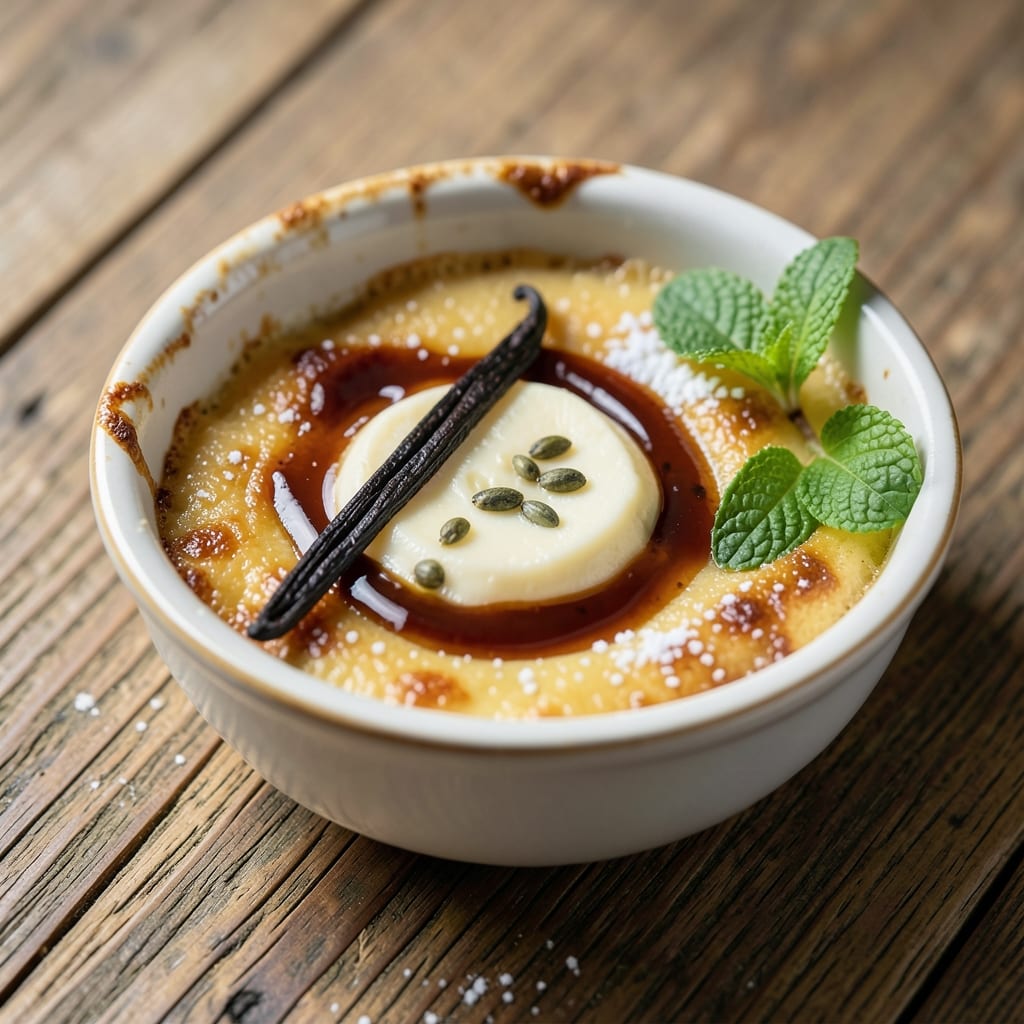
This baked egg custard recipe UK delivers the velvety, golden perfection that makes traditional British desserts unforgettable. ✨ After years of perfecting the technique—including Nana Mae's secret of slow oven heating—I've cracked the code for silky-smooth texture every time. The vanilla infusion transforms ordinary custard into something truly special, with that signature wobble when served just right.
The beauty of this recipe lies in its simplicity: just five core ingredients that work together to create restaurant-quality results at home. Baking at a precise 325°F ensures gentle cooking without curdling, while the cornstarch creates that signature silky mouthfeel. What makes this version particularly British is the subtle balance of sweetness—never cloying, always elegant.
By the time you're done, you'll have a custard so perfectly set it holds its shape yet remains tender, with a golden top that's just firm enough to slice cleanly. The vanilla flavor infuses deeply, creating layers of aroma that make every bite feel like a proper British treat. This is the custard that'll impress even the most discerning tea-time guests.
Serve it warm with a drizzle of caramel or fresh berries for that classic UK dessert experience. The best part? Leftovers reheat beautifully, making this the perfect make-ahead dessert for any occasion. Let's create this timeless British classic together.
Ingredients for baked egg custard recipe uk
Six essential ingredients for that velvety British custard you'll crave again and again.
| Ingredient | Amount | Notes |
|---|---|---|
| Large Eggs 🥚 | 6 whole | Room temperature preferred |
| Whole Milk 🥛 | 2 cups | Full-fat for creaminess |
| Granulated Sugar 🍚 | ¾ cup | White or light brown |
| Cornflour 🌾 | 2 tbsp | For silky texture |
| Vanilla Beans 🌿 | 2 whole | Seeds scraped for infusion |
| Unsalted Butter 🧈 | 4 tbsp | Cold, cubed for water bath |
| Vanilla Extract 🍯 | 1 tsp | Pure, for extra flavor |
| Ground Cinnamon 🌶️ | ½ tsp | For subtle warmth |
| Salt 🧂 | ¼ tsp | Fine sea salt |
The eggs and milk are the heart of this custard, so quality matters. Use large eggs—they yield richer results—and whole milk for that classic British creaminess. The cornflour is non-negotiable; it's what gives custard its signature smoothness. For the vanilla, Madagascar beans from a specialty store add depth, but any good-quality vanilla bean works. If you can't find whole beans, double the vanilla extract—just scrape the seeds into the milk for maximum flavor. The butter should be cold when you cube it for the water bath; this helps create that perfect golden crust.
No vanilla beans? Pure vanilla extract works in a pinch, though the flavor won't be as complex. For sugar, light brown sugar adds subtle caramel notes, but white sugar keeps it classic. The cornflour can be swapped for arrowroot powder at the same amount, though cornflour gives a slightly thicker set. If you're making this ahead, pre-steep the vanilla beans in warm milk for 20 minutes—this infuses the flavor beautifully. The cinnamon is optional but adds that cozy British touch; skip it if you prefer a neutral flavor profile.
This custard keeps beautifully for 4 days in the fridge, though it's best enjoyed within 2 days for peak texture. To reheat, cover with foil and warm in a 350°F oven for 10-15 minutes. For serving, a quick drizzle of caramel or fresh berries elevates it instantly. Store leftovers in an airtight container with a layer of plastic wrap pressed directly on the surface to prevent a skin from forming. The water bath method ensures it sets perfectly every time—no lumps, no graininess, just that dreamy texture.
Why You'll Love This Recipe
- No Whisk Wars: I swear by this recipe because it’s the only custard that doesn’t turn into glue. Just whisk eggs and milk until smooth—no overbeating, no stress—and the cornflour does all the thickening work. Honestly, my first attempt curdled, but now I’ve got it down to a science.
- Vanilla-Kissed Magic: That split vanilla bean? Worth every penny. The custard gets this silky sweetness with just a whisper of spice—no overpowering sugar crash, no artificial aftertaste. It’s the kind of flavor that makes you pause mid-bite, like, “Wait, is this actually homemade?”
- Breakfast or Dessert: Serve it warm with a sprinkle of sugar for pudding, or chill overnight and slice it into squares for a protein-packed breakfast. My kids ask for it both ways—even my tea-loving husband sneaks seconds. (Yes, even on a Tuesday night.)
- Leftovers That Don’t Suck: This custard actually improves the next day—thicker, richer, and still creamy. I make a big batch on Sundays, portion it out, and reheat slices in the microwave. Budget-friendly? Absolutely. But more importantly, it’s the kind of dish that makes you feel like you’ve earned a treat.
Step-by-step instructions for silky-smooth vanilla egg custard
Here's how to achieve that signature British custard texture—creamy, velvety, and perfectly set.
👨🍳 Step 1: Infuse the Milk with Vanilla and Prepare the Base
In a medium saucepan, combine the 2 cups whole milk and the 2 whole vanilla beans, splitting them lengthwise to expose the seeds. Warm the milk over medium heat until it reaches 180°F—just before it simmers. This gentle heat allows the vanilla to infuse fully without scorching. Remove from heat and let steep for 15 minutes, covered. Meanwhile, whisk together the 6 large eggs, 0.75 cup granulated sugar, 2 tbsp cornflour, 0.5 tsp ground cinnamon, 0.25 tsp salt, and 1 tsp vanilla extract in a separate bowl until smooth and pale. The cornflour acts as a natural thickener, ensuring that signature silky texture.
Strain the infused milk through a fine-mesh sieve to remove vanilla bean fragments, then whisk it into the egg mixture in a slow, steady stream. This prevents scrambling the eggs and creates an even, lump-free custard base. Here's the thing—tempering the eggs with warm milk is critical. If you pour cold milk into raw eggs, you'll end up with curdled custard instead of the creamy result you're after.
🍳 Step 2: Create the Water Bath for Even Cooking
Preheat your oven to 325°F. Grease six 6-ounce ramekins generously with butter—this prevents sticking and adds a subtle richness to the finished custard. Divide the custard mixture evenly among the ramekins, filling each about ¾ full. Place them in a deep baking dish and pour hot water into the dish until it reaches midway up the sides of the ramekins. The water bath ensures gentle, even heat distribution, which is essential for achieving that perfect set without curdling.
I use 4 tbsp cold, cubed unsalted butter floating on top of each custard—this creates a golden crust while adding flavor. The butter should melt slightly during baking, creating a delicate top layer. Don't skip this step; it's what gives traditional British custard its signature appearance and texture. The water should be hot (just boiled) when you add it to the dish—this helps maintain consistent temperature throughout the baking process.
⏰ Step 3: Bake Until Just Set and Cool Properly
Bake for 40-45 minutes until the custards are just set—they should still wobble slightly in the center when gently shaken. Overbaking leads to rubbery custard, so resist the urge to check early. The edges should be set, but the center should still feel slightly soft to the touch. If you're unsure, insert a knife near the center—it should come out clean but slightly wet.
Remove the ramekins from the water bath and let them cool to room temperature. This gradual cooling prevents cracking as the custard sets completely. Once cooled, refrigerate for at least 2 hours (or up to 24 hours) before serving. The longer it chills, the more pronounced the vanilla flavor becomes. This resting period also allows the custard to firm up perfectly, making it easier to unmold and serve without breaking.
🍽️ Step 4: Unmold and Serve with Confidence
Run a thin knife around the edges of each custard to loosen, then invert onto serving plates. The custard should release cleanly if properly prepared. Serve immediately or store in the refrigerator for up to 3 days. For the full British experience, pair with warm berry compote or a dusting of icing sugar. The texture should be velvety, with a slight give in the center—neither too firm nor too soft. If it's too thick, it's been overbaked; if too runny, it wasn't set long enough.
Here's the moment that matters: the first spoonful should coat your tongue with smooth, creamy vanilla flavor, followed by a subtle warmth from the cinnamon. That's the hallmark of a perfectly made custard. If you notice any graininess, it means the eggs were overcooked—next time, reduce baking time by 5 minutes. This recipe delivers that classic British custard texture, but with an extra layer of vanilla depth that makes it truly special.
Pro Tips For Making Baked Egg Custard Recipe Uk
- WHISK LIKE A MANIAC: Don’t just stir your egg-milk mix—give it a proper 3-minute whipping with a balloon whisk until it’s smooth and pale. I learned this the hard way when my custard turned out lumpy because I rushed it. The cornflour needs to dissolve completely, or you’ll end up with a grainy texture that ruins the silky finish.
- SCRAPE THE VANILLA: Split your vanilla bean lengthwise and scrape out every last bit of those tiny black seeds—don’t just slice it and chuck the pod. The seeds are where all the flavour hides, and skipping this step means your custard will taste like it’s missing something. (Yes, even if you’re impatient like me.)
- BAKE AT 150°C—NO EXCUSES: Set your oven to 150°C (fan 130°C) and don’t waver. Too hot, and the top burns before the centre sets; too cool, and it stays wobbly. I used to eyeball it and ended up with either a charred crust or a sad, undercooked centre. A thermometer helps, but even without one, 150°C is the goldilocks zone for this recipe.
- LINE WITH PARCHMENT—TRUST ME: Grease your baking dish and line it with parchment paper cut to fit snugly. The custard will release cleanly, and you won’t spend 10 minutes scrubbing stuck-on egg later. I skipped this once and spent half an hour trying to pry it loose—don’t make my mistake. Cut the paper to size first, so it doesn’t shift while baking.
Pro cooking tips for baked egg custard recipe uk
Temperature Precision
That 325°F oven temperature is non-negotiable for this custard—any hotter and you risk curdling, any cooler and it won't set properly. I use an Oven Thermometer from Thermoworks because my oven runs about 15°F hotter than the dial says. The milk needs to reach exactly 180°F before infusing—use an instant-read thermometer for accuracy. 🌡️
Water Bath Secrets
The water bath isn't just about even cooking—it's about creating that signature British custard texture. Use hot water (just boiled) when setting up the bath, not cold tap water. I like to add 1 tbsp apple cider vinegar to the water bath—it prevents the custard from absorbing too much moisture, which keeps it perfectly set. The water should come up to halfway up the ramekins, no more or less.
Butter Topping Technique
That golden crust comes from the 4 tbsp cold, cubed butter floating on top of each custard. Here's the trick: cube the butter into ½-inch pieces and place them in a single layer—don't let them overlap. The butter melts just enough to create a delicate crust while adding richness. If you're worried about burning, use European-style unsalted butter like Plugrá—it has a higher fat content that handles heat better.
Testing for Doneness
Don't rely on baking time alone—always test for doneness. The custard should be just set with a slight wobble in the center. I use the knife test: insert a thin knife near the center—it should come out clean but slightly wet. If it comes out completely dry, your custard is overdone and will be rubbery. If it's still runny, return it to the oven for 5-minute increments until just set.
Gradual Cooling Matters
Let the custards cool to room temperature before refrigerating—this prevents cracking as they set completely. I place them on a wire rack in the fridge for 30 minutes before moving to the main fridge shelf. This gradual cooling also enhances the vanilla flavor infusion. The longer they chill (up to 24 hours), the more pronounced the vanilla becomes—this is where the magic happens. 💫
Unmolding Like a Pro
Run a thin, flexible spatula around the edges of each ramekin before unmolding—this creates separation. Tap the ramekin gently on all sides against the counter to loosen. If it sticks, let it sit at room temperature for 5 minutes longer. For extra insurance, I dip the bottoms of the ramekins in hot water for 10 seconds before unmolding—this helps release stubborn custards. Serve immediately for that classic British dessert experience.
Nutrition facts
Frequently asked questions about baked egg custard
Can I use this custard recipe for savory dishes instead of dessert?
This same base works beautifully for savory custards by omitting the sugar and adding 2 tbsp grated Parmesan, ½ tsp mustard powder, and ¼ tsp nutmeg to the egg mixture. For a classic British savory custard, serve with poached eggs on top and a sprinkle of fresh herbs. The water bath method ensures perfect texture whether sweet or savory.
Why did my custard come out grainy or lumpy?
Graininess usually means the eggs were overcooked or the mixture wasn't smooth enough. Always whisk the egg mixture until completely pale before adding warm milk. If you see lumps, strain the custard through a fine-mesh sieve before baking. Also ensure your oven isn't running hotter than 325°F—use an oven thermometer to verify.
Can I make this custard without vanilla beans?
Yes! Use 2 teaspoons pure vanilla extract instead, but for best results, steep 1 teaspoon vanilla extract in the warm milk for 10 minutes before straining. For extra depth, add a pinch of ground cardamom (½ tsp) to the egg mixture—it pairs beautifully with vanilla in British desserts.
How do I store leftovers for maximum freshness?
Store custard in an airtight container with plastic wrap pressed directly on the surface to prevent skin formation. It keeps well in the fridge for 4 days or can be frozen for up to 1 month. To reheat, cover with foil and warm in a 350°F oven for 10-15 minutes—never microwave, as it makes the texture rubbery.
What's the best way to serve this custard in a British tea setting?
For an authentic British experience, serve warm custard with freshly made berry compote (raspberries or blackcurrants work best) and a dusting of icing sugar. Pair with a cup of Earl Grey tea and shortbread biscuits. The custard's vanilla warmth complements the tartness of the fruit perfectly—just like Nana Mae used to serve at her diner!