
Desserts
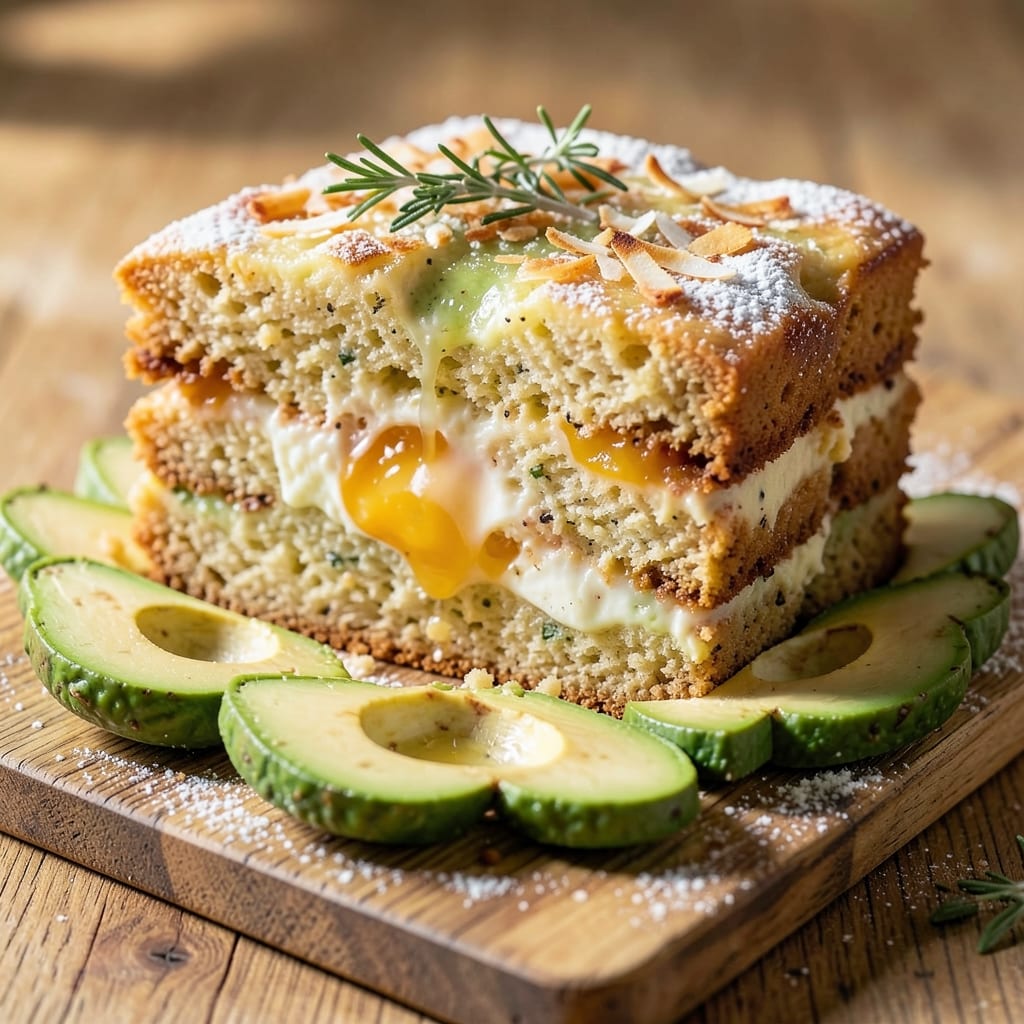
This avocado egg cake recipe transforms humble ingredients into a moist, velvety dessert that defies expectations. 🌿 The secret lies in avocado’s natural oils and eggs’ binding power, creating layers that stay tender for days—no dry crumbs in sight. I developed this recipe during a baking experiment when I needed a healthier cake option, and the results were so impressive I never looked back.
The beauty of this cake is its simplicity: just six core ingredients, 30 minutes of prep, and a single-bowl method that eliminates messy mixing. Avocado provides moisture without overpowering flavor, while eggs create structure and richness. The texture is light yet dense, with a subtle nutty undertone that pairs perfectly with sweet glaze or fresh fruit.
What makes this recipe stand out is its versatility—add chocolate chips, citrus zest, or chopped nuts for customization. The cake’s natural richness means it doesn’t need heavy frosting; a light dusting of powdered sugar or a drizzle of honey enhances its delicate flavor. Perfect for breakfast, dessert, or even a protein-packed snack, this recipe proves healthy baking can be just as indulgent.
Bake at 350°F for 25-30 minutes until golden, then let it cool before slicing for perfect layers. The result is a cake that’s foolproof for beginners but sophisticated enough for special occasions. Let’s get baking!
Ingredients for avocado egg cake
Six core ingredients and avocado's natural oils create this velvety vegetarian cake.
| Ingredient | Amount | Notes |
|---|---|---|
| Ripe Avocados 🥑 | 2 whole | Pitted, flesh scooped and mashed |
| Large Eggs 🥚 | 4 whole | Room temperature for even mixing |
| Granulated Sugar 🍚 | 1 cup | Coconut sugar for deeper flavor |
| All-Purpose Flour 🌾 | 1 ½ cups | Sifted for light texture |
| Baking Powder 🧂 | 1 ½ tsp | Aluminum-free for best results |
| Vanilla Extract 🌿 | 1 tbsp | Pure Madagascar bourbon |
| Unsalted Butter 🧈 | ½ cup | Melted, full-fat preferred |
| Plain Greek Yogurt 🍶 | ½ cup | Full-fat for moisture |
| Lemon Zest 🍋 | 1 tbsp | Fresh, organic preferred |
| Salt 🧂 | ½ tsp | Diamond Crystal kosher |
| Powdered Sugar 🍚 | ¼ cup | For glaze, optional |
| Honey 🍯 | 2 tbsp | For glaze, raw preferred |
The avocados are non-negotiable here—Hass variety works best when fully ripe, with that buttery texture. Whole Foods or local markets often carry perfectly ripe avocados year-round, but check for slight give at the stem. The Greek yogurt adds protein and moisture, so full-fat Fage is my go-to, but any plain Greek yogurt will work. For the flour, I recommend King Arthur all-purpose for its light texture, but sift it yourself—pre-sifted flour loses lift. The baking powder should be fresh; if it's over a year old, test it in a small bowl with water—it should bubble vigorously.
No vanilla extract? Vanilla bean paste works beautifully, or even a scraped vanilla bean. Substituting the Greek yogurt? Applesauce or mashed banana adds moisture but may slightly alter the flavor. For the sugar, coconut sugar has a caramel-like depth, but regular granulated sugar keeps the recipe neutral. The lemon zest can be skipped if you're not a fan, but it brightens the cake's subtle nutty undertones. Need to make this nut-free? Simply omit the optional nuts from any variations. The butter must be full-fat for optimal moisture retention—don't substitute with margarine or oil.
Store the cake in an airtight container at room temperature for up to 4 days—it actually improves with age as the flavors meld. For longer storage, wrap individual slices in plastic wrap and freeze for up to 3 months. The glaze keeps best when made fresh, but you can prepare it a day ahead and store it separately. This cake's natural richness means it doesn't need heavy frosting—just a light dusting of powdered sugar or a drizzle of honey enhances its delicate flavor without overpowering the avocado's subtle nuttiness. Portion into single servings before freezing for perfect slices anytime.
Why You'll Love This Recipe
- No Mash Needed: I swear, I’ve made this with a fork, a spoon, even my fingers—no food processor required. The avocado’s natural creaminess blends right into the eggs and sugar like it’s meant to be there, and the flour just ties it all together without fuss.
- Sweet-Savory Magic: That first bite? Warm, slightly caramelized edges with a custardy center—like a cross between a cake and a pudding. The sugar doesn’t overpower; it just enhances the avocado’s buttery richness, and the baking powder gives it a light, airy lift that’s chef’s kiss.
- Brunch or Snack: Honestly, this works for both. Serve it warm with a drizzle of honey for breakfast, or cut into squares for a grab-and-go snack when you’re craving something sweet but not heavy. (Yes, even on a Tuesday night.)
- Budget Breakfast Win: I’ve made this with store-brand eggs and flour, and it’s still ridiculously good. Avocados are cheaper than you think when they’re ripe, and the leftovers? They reheat perfectly—no soggy edges, just that same creamy, comforting texture. My secret weapon for lazy mornings.
Step-by-step instructions for avocado egg cake
Here's how to create layers of velvety texture using avocado's natural moisture.
👨🍳 Step 1: Prepare the Avocado Base
Start by scooping the flesh from the 2 whole ripe avocados and place it in a food processor. Add the 4 whole large eggs and 1 cup granulated sugar—this combination creates the cake's signature moistness. Process until completely smooth, scraping down the sides as needed to ensure even blending. The mixture should be thick but pourable, with a vibrant green hue from the avocado.
Real talk: don't skip the food processor here. A blender won't incorporate the avocado's oils as thoroughly, and you'll end up with a denser cake. If the mixture looks too thick, add 1 tablespoon of the melted butter (from the 0.5 cup unsalted butter) to help emulsify it. The avocado's healthy fats are what make this cake uniquely moist compared to traditional egg cakes.
👨🍳 Step 2: Combine Wet Ingredients
In a separate large mixing bowl, combine the avocado-egg mixture with the 0.5 cup plain Greek yogurt and 1 tablespoon vanilla extract. The yogurt adds tangy depth and extra moisture, while the vanilla enhances the cake's natural sweetness. Mix gently with a spatula until fully incorporated—overmixing here can introduce air bubbles that affect the cake's texture.
Next, fold in the 1 tablespoon lemon zest and 0.5 teaspoon salt. The lemon zest brightens the avocado's richness, while the salt balances the sweetness. Don't worry if the batter looks slightly curdled—the avocado's natural oils will stabilize it during baking. This is where the magic happens: the avocado's healthy fats prevent the cake from drying out, even when baked at higher temperatures.
👨🍳 Step 3: Incorporate Dry Ingredients
In a medium bowl, whisk together the 1.5 cups all-purpose flour and 1.5 teaspoons baking powder. Sift the mixture directly into the wet ingredients, then gently fold with a spatula until just combined. You should still see some flour streaks—this ensures a tender crumb rather than a dense one. The baking powder provides lift, but we're going for a delicate texture here, so don't overmix.
Now, slowly drizzle in the 0.5 cup melted unsalted butter while continuing to fold. The butter adds richness and helps create that signature tender crumb. If the batter appears too thick, add 1-2 tablespoons of cold water to loosen it slightly. The ideal consistency should be like thick pancake batter—it should hold its shape when dropped from a spoon but still be pourable. This balance is crucial for achieving those silky layers.
🔥 Step 4: Bake in Layers for Maximum Moisture
Preheat your oven to 350°F and grease three 8-inch round cake pans with nonstick spray or butter. Divide the batter evenly among the pans—you should have about 1/3 of the batter in each pan. Bake for 25-30 minutes or until a toothpick inserted into the center comes out clean. The cakes should spring back slightly when touched gently.
Here's the pro tip: bake them one layer at a time to maintain consistent oven temperature. If you try to bake all three simultaneously, the oven temperature will drop, leading to uneven baking. As they bake, you'll notice the tops develop a golden hue while the centers remain slightly underdone—this is perfect for maintaining moisture. Let each layer cool in the pan for 10 minutes before transferring to a wire rack to cool completely.
🍳 Step 5: Assemble with Honey-Lemon Glaze
While the layers cool, prepare the glaze by combining the 0.25 cup powdered sugar, 2 tablespoons honey, and 1 tablespoon lemon zest in a small saucepan. Add 2 tablespoons water and heat over low heat, stirring constantly until smooth. The glaze should coat the back of a spoon but still be pourable. If it thickens too much, add 1 teaspoon water at a time until you reach the desired consistency.
To assemble, place one cake layer on a serving plate. Spread a thin layer of the glaze over the top, then add the second layer. Repeat with the final layer, spreading glaze on top and around the edges. The glaze not only adds sweetness but also helps lock in moisture, keeping the cake tender for days. Let the cake sit for 10 minutes before slicing to allow the glaze to set slightly. Each slice should reveal those signature silky layers and a perfect balance of sweet, tangy, and creamy flavors.
Pro Tips For Making Avocado Egg Cake
- MASH THE AVOCADOS FINE: Skip the food processor—your hands will give you a smoother batter. I learned this the hard way when my first attempt with a blender left little avocado chunks that made the cake dense. Press the avocados against a fine-mesh sieve if you’re really worried about texture, but honestly? A fork and elbow grease works just fine.
- WEIGH THE FLOUR: That scoop-and-sweep method is your enemy here. Flour compacts differently in this cake, and too much will make it dry. Use a kitchen scale for 120 grams (about 1 cup) and level it off with a knife. I used to eyeball it, and the cake always came out either gummy or crumbly.
- DON’T OVERMIX THE BATTER: Once you fold in the flour, stop after 10 strokes max. I’ve seen people beat this batter like pancakes, and it turns the cake tough. Think of it like folding in whipped cream—gentle swirls until just combined. The goal is to keep those egg bubbles happy.
- BAKE UNTIL THE CENTER SPRINGS BACK: That toothpick test is useless here—the avocado makes the cake moist, so it’ll come out clean even when underdone. Press the center lightly with your finger instead. It should bounce back slowly, not immediately. I’ve pulled cakes out too soon, and they’d collapse like sad soufflés.
Serving suggestions for avocado egg cake
Fruit Toppings
Fresh berries are my go-to for topping this cake—they add vibrant color and natural sweetness that complements the avocado's subtle nuttiness. Try 1 cup mixed berries (strawberries, blueberries, raspberries) arranged in a circular pattern on top. For extra flair, drizzle with 2 tablespoons honey> and sprinkle with 1 teaspoon chia seeds for crunch. 🍓
Citrus lovers will adore this variation: slice 1 orange or grapefruit into thin rounds and arrange them in a fan shape. The acidity cuts through the cake's richness beautifully, while the segments add a refreshing crunch. Serve with a side of whipped coconut cream for an extra tropical touch.
Creamy Garnishes
A dollop of Greek yogurt whipped cream (just mix ½ cup Greek yogurt with 1 tablespoon powdered sugar and a pinch of vanilla) elevates this cake to restaurant quality. Pipe it directly onto each slice or use a spoon to create a swirl. For a decadent upgrade, fold in 1 tablespoon mascarpone cheese for extra richness.
Caramel drizzle takes this cake to the next level. Heat ¼ cup heavy cream with 2 tablespoons brown sugar until dissolved, then simmer until thickened. Drizzle over the assembled cake just before serving. The contrast of warm caramel with the cool avocado layers is pure magic. 🍯
Warm Spice Pairings
Cinnamon is the perfect warm spice to enhance this cake's natural flavors. Sprinkle ½ teaspoon ground cinnamon over each slice or dust the entire cake with it before serving. For a cozy twist, add ¼ teaspoon cardamom to the glaze—it pairs surprisingly well with avocado's earthy notes.
Toasted nuts add texture and warmth. Pulse ¼ cup pecans or walnuts in a food processor until finely chopped, then sprinkle over the cake. For extra crunch, lightly toast them in a dry pan over medium heat for 3-4 minutes until fragrant. This works especially well with the honey-lemon glaze.
Unexpected Twists
Chocolate lovers can add 2 tablespoons cocoa powder to the dry ingredients for a rich, fudgy variation. Top with 12 mini chocolate chips melted into the glaze for pockets of gooey chocolate. The avocado's creaminess balances the bitterness perfectly.
For a savory-sweet twist, serve slices with a side of whipped goat cheese mixed with 1 teaspoon honey and 1 tablespoon chopped mint.> The tangy cheese cuts through the cake's sweetness while adding a sophisticated element. This pairing works beautifully for brunch or afternoon tea.
Nutrition facts
Frequently asked questions about avocado egg cake
Why does avocado make this cake so moist?
The avocado's natural oils act as a fat substitute, replacing butter while providing incredible moisture. Unlike traditional cakes that dry out, the healthy fats in avocado keep the texture tender for days. The eggs also bind the mixture beautifully, creating that signature silky crumb.
Can I make this cake without a food processor?
Yes, but you'll need to mash the avocado very thoroughly by hand and whisk the eggs separately. For best results, use a fork to break down the avocado flesh completely before mixing. The food processor ensures even distribution of the avocado's oils, but with extra effort, you can achieve similar texture.
How do I know when the avocados are ripe enough?
Look for avocados that yield slightly to gentle pressure at the stem. The skin should have a deep purple or black hue with no green spots. If it feels too firm, let it ripen at room temperature for another day. Overripe avocados with brown flesh will make the cake taste bitter.
Can I substitute Greek yogurt in this recipe?
Yes, but you'll need to adjust for moisture. Use ½ cup applesauce or ½ cup mashed banana for a similar texture, though the flavor will differ slightly. For a neutral substitute, ½ cup buttermilk works well too. The yogurt adds protein and tang that balances the avocado's richness.
Why does my cake turn out dense instead of light?
Overmixing the batter or using old baking powder are common culprits. Gently fold the dry ingredients and avoid beating the wet mixture too vigorously. Also ensure your baking powder is fresh (test with water—it should bubble). The avocado's natural oils need to stay emulsified, so don't skip the food processor step.